Unlock Global Freedom Instantly with a Prepaid eSIM
A traveler lands in a new country and instantly switches their phone to a local prepaid eSIM without hunting for a physical SIM card. This digital SIM allows you to buy and activate a mobile plan before you even leave home, bypassing airport kiosks and roaming fees. It works by downloading a profile directly to your device, granting immediate network access for calls, texts, and data. The benefit is complete freedom to control costs and connectivity on your terms.
Unlocking Freedom: The Shift to Virtual SIM Cards
The shift to virtual SIM cards unlocks genuine freedom by letting you switch prepaid eSIM profiles in seconds, no physical swap required. Traveling becomes fluid: you can instantly load a local prepaid data plan upon arrival, bypassing Singapore eSIM airport kiosks while keeping your home number active. This agility means never hunting for a tiny tray again—just scan a QR code to activate a prepaid eSIM from anywhere. Your device stays locked into your itinerary, not a carrier. Yet the real freedom lies in choosing to be offline, not being forced into it. Prepaid eSIM transforms connectivity into a flexible tool you control per trip, not a rigid contract.
What a Digital SIM Actually Does Differently
A digital SIM performs the same core function as a physical SIM—authenticating your device to a mobile network—but it does so through a reprogrammable, embedded chip rather than a removable card. This difference means you can activate a prepaid plan without waiting for a plastic card to arrive. Instead of swapping physical cards to switch networks or plans, you download and install a new profile digitally, often within minutes. This capability allows you to hold multiple prepaid eSIM profiles on one device and select which is active without ever handling a physical card. The result is a shift from hardware management to software-based carrier switching, directly enabled by the digital nature of the SIM.
Why Travelers Are Ditching Plastic for Remote Profiles
Travelers are abandoning physical plastic SIMs because a remote eSIM profile eliminates the hassle of swapping cards in transit. No more fumbling with tiny trays at an airport gate or risking damage to the SIM slot. Instead, you purchase and activate a prepaid eSIM plan online before departure, downloading a profile that instantly connects you to local networks upon arrival. This digital approach also removes the need to hunt for a local vendor or maintain a physical inventory of carrier cards, as profiles are stored virtually. The shift prioritizes convenience and reliability, turning connectivity into a seamless pre-trip task rather than an on-the-ground chore.
Travelers choose remote profiles to avoid physical card swaps, local vendor hunts, and tray damage, making connectivity a seamless pre-trip download.
How a Budget-Friendly Mobile Profile Works
A budget-friendly prepaid eSIM profile works by decoupling the network subscription from a physical SIM card, storing all carrier credentials directly on the device’s secure element. This eliminates hardware costs and shipping delays, allowing you to purchase and activate a data-only plan instantly via an app or website. The profile operates on a pay-as-you-go top-up mechanism, where you buy a fixed data allowance (e.g., 1GB, 5GB) that is valid for a specific time window, typically 7 to 30 days. Once active, the eSIM connects to a local partner network, enforcing strict data caps to prevent overages. You manage your balance and remaining data through the carrier’s app, and when the allowance depletes or expires, the profile automatically deactivates—only reactivating upon manual refill. This structure ensures you never pay for unused services, making it ideal for short trips or controlled mobile data usage.
Topping Up Without a Physical Card
Topping up without a physical card relies entirely on digital payment gateways linked to your eSIM profile. You select a data or voice package from the provider’s app or web portal, then complete the transaction via PayPal, Google Pay, or a debit/credit card stored securely in your account. The new balance is applied instantaneous eSIM replenishment to your virtual profile without needing to insert a physical SIM or scratch a voucher. This process eliminates the risk of losing a physical card and allows for on-demand funding from anywhere with an internet connection.
- Payments route through encrypted digital wallets or stored payment methods.
- Funds are credited immediately upon transaction approval.
- No physical voucher codes or scratch cards are required for activation.
- Multiple package upgrades can be stacked without swapping SIMs.
Activating a Data-Only Plan in Minutes
Activating a data-only plan on a prepaid eSIM typically takes under five minutes. After purchasing, you receive a QR code or activation link via email. Scanning this with your device’s settings immediately provisions the eSIM profile, bypassing physical SIM insertion. The key step is ensuring your phone is unlocked and connected to Wi-Fi during activation. For clarity, the standard sequence is:
- Open your device’s cellular or mobile data settings.
- Select “Add eSIM” and scan the provided QR code.
- Label the plan (e.g., “Data Only”) and confirm activation.
Once enabled, the network connects within seconds, allowing instant browsing. This speed makes instant data-only eSIM activation ideal for travelers needing connectivity without store visits or carrier calls.
Top Scenarios for Using a Temporary Network
The top scenario for using a temporary network with a prepaid eSIM is international travel, where you bypass expensive roaming fees by instantly activating a local data plan upon arrival. Another key use is short-term business trips or project deployments requiring a separate, isolated connection that doesn’t interfere with a personal line. Privacy-conscious users leverage a temporary network for sensitive, one-off tasks like verifying accounts or using ride-sharing in unfamiliar locations, then simply removing the eSIM profile.
This eliminates long-term contracts and physical SIM swaps, offering instant connectivity on demand.
Finally, testing coverage or network speeds in a new area is simplified by purchasing a short-term prepaid eSIM instead of committing to a provider.
Short-Term Trips Abroad

For a long weekend in Paris or a week backpacking Thailand, a prepaid eSIM kills the hassle of hunting for local SIMs at the airport. You can instantly activate data for short-term trips abroad minutes before boarding, arriving connected for maps, ride apps, and WhatsApp. No contracts, no physical card juggling—just tap and roam.
- Buy a 7-day plan with 5GB to cover city navigation and social updates.
- Keep your home number active on a secondary eSIM for two-factor authentication texts.
- Top up data mid-trip without visiting a store if you need extra coverage for a day hike.
Spotty connectivity in rural areas can still bite, so check carrier coverage for your exact route before you go.
Backup Connectivity for Remote Work
For remote workers, a prepaid eSIM serves as a dedicated backup connectivity layer when the primary broadband fails. This prevents workflow disruption by instantly switching to a mobile data plan without physical SIM swapping. The eSIM is activated on a separate device or dual-SIM phone, preserving the primary line for voice calls while the eSIM handles data. A logical architecture assigns the eSIM solely for critical cloud services and VPN access, not general browsing. Question: How does a prepaid eSIM ensure uninterrupted remote access? It provides an isolated, instantly activatable cellular network path, avoiding dependency on often-unstable public Wi-Fi or congested tethering. This failover strategy maintains productivity during outages without incurring monthly contract penalties.
Second Number Without an Extra Slot
Need a separate line for freelancing or dating apps without buying a new phone? Prepaid eSIM lets you add a temporary second number without an extra slot. Just scan a QR code to keep your primary SIM intact—no fumbling with trays. That dual-SIM setup via eSIM means zero hardware changes. Perfect for a weekend side hustle or a short trip, you ditch the line when you’re done.
Second Number Without an Extra Slot: add a disposable line using only software, saving your physical slot for everyday use.
Choosing the Right Plan for Your Needs
When choosing the right plan for your needs with a prepaid eSIM, start by looking at your data habits. If you’re just checking maps and messaging, a small data pack for a week works great. For heavy streaming or video calls on long trips, go for a plan with several gigabytes and a 30-day window. Check if the plan allows hotspot tethering, which is crucial for sharing internet with a laptop. Also, consider regional plans if you bounce between countries—selecting the right prepaid eSIM data package means matching coverage zones to your exact itinerary, not buying global coverage you won’t use. Prioritize speed caps too; some cheap plans throttle after a few GB, ruining a smooth experience.
Comparing Gigabyte Allowances and Speed Tiers
When comparing prepaid eSIM plans, align your gigabyte allowance with your data consumption, but scrutinize speed tiers as they dictate real-world performance. A 50GB plan is worthless if it throttles to 128kbps after a small “high-speed” portion, making streaming impossible. Prioritize plans with transparent speed tier definitions because “unlimited” often means capped speeds after a threshold. Choosing a higher tier with fewer gigabytes usually outperforms a bloated allowance on a slow network during congested hours. Q: Should I sacrifice gigabytes for a higher speed tier? A: Yes, if you rely on real-time video calls or cloud gaming, as sustained high speed ensures functionality over raw data volume.
Regional vs. Global Coverage Options
When picking a prepaid eSIM, think about your travel style. A regional eSIM covers a specific area, like Europe or Asia, offering better value if you’re hopping between nearby countries. A global plan connects you across continents but often costs more per GB. To decide, follow this order:
- List the countries you’ll visit.
- Check if a regional plan covers them all.
- If travel spans multiple regions, pick a global data package for simplicity.
Regional saves money for focused trips; global saves hassle for scattered destinations.
Validity Periods: Daily, Weekly, or Monthly
The validity period you choose for a prepaid eSIM directly dictates your cost-per-day and data management strategy. A daily validity plan suits ultra-short trips, offering maximum flexibility for a 24-hour burst of connectivity. Weekly plans balance moderate data needs and cost efficiency for standard one-week vacations. Monthly validity provides the lowest per-day rate, ideal for long-term travel or temporary remote work. To decide, calculate your exact trip length: a 5-day trip rarely justifies a monthly plan. The rollover of unused data typically does not occur across different validity periods; unused data expires when the window closes.
Q: Should I pick daily, weekly, or monthly validity for a 10-day trip?
A: You should compare two-weekly plans against a monthly plan. A weekly plan may fall short by three days, requiring a second top-up, which can cost more than a single monthly plan. For a 10-day trip, a monthly plan often provides better value and removes the need for a mid-trip extension.

Step-by-Step: Setting Up a Virtual Line
To set up a virtual line on a prepaid eSIM, first purchase a plan from a provider like Airalo or Dent that explicitly supports a second, discrete number. After installation, open the eSIM’s app dashboard and locate the “Add Virtual Line” or “Secondary Number” option. You will be prompted to select a new area code or country prefix; choose one that suits your use case for inbound calls or verification SMS. The app then generates an eSIM profile specific to this virtual line, which must be downloaded as a separate eSIM installation on your device. Activate this second profile, assign it a clear label (e.g., “Work Number”), and configure call forwarding from your primary line if you want calls to merge. This process creates a distinct, prepaid virtual number operational for voice and text without requiring a physical SIM swap.
Checking Device Compatibility First
Before you buy a prepaid eSIM, checking device compatibility first saves major headaches. Not every phone supports eSIMs; older models or carrier-locked devices might block them. Head to your settings—typically under “About Phone” or “Cellular”—to confirm an eSIM slot exists. If unsure, Google your model plus “eSIM support.” Some international phones work fine with data eSIMs but not voice calling.
What happens if my device isn’t compatible? You’ll likely get an error during the QR scan, and the eSIM won’t activate. Stick to physical SIMs instead.
Scanning a QR Code to Get Started
To begin activation, locate the prepaid eSIM QR code provided in your confirmation email or on the provider’s app dashboard. Open your device’s cellular settings, select “Add eSIM,” and scan the code directly using your rear camera. The profile will download automatically; follow on-screen prompts to label and prioritize this line. Ensure your device has a stable Wi-Fi connection during scanning, as the activation data requires immediate verification. If the QR code fails to load, manually enter the SM-DP+ address printed beneath it.
Q: Why does my QR code scanning fail on an Android device?
A: Two common causes: your camera app may block the cellular settings overlay, or the QR code itself is expired. Restart the phone, clean the camera lens, and re-request a fresh code from the provider’s portal.

Managing Multiple Profiles on One Phone
Managing multiple profiles on one phone for a prepaid eSIM virtual line requires careful attention to device storage limits. Phones typically support a set number of eSIM profiles, often 5 to 10, but only two can be active simultaneously. Efficient eSIM profile switching is critical: you must assign a default line for data, calls, and messages in settings, then toggle between profiles as needed. Avoid installing dormant profiles you do not immediately use, as they clutter management interfaces. A table clarifies active versus stored functionality:
| Aspect | Active Profile | Stored Profile |
|---|---|---|
| Cellular Connection | Always connected | Disabled |
| Data Usage | Consumes plan balance | No usage |
| Manual Switch Required | No | Yes, through settings |
Keep your primary virtual line active and relegate secondary numbers to stored profiles to prevent accidental data drain.
Hidden Perks You Might Overlook
Beyond basic connectivity, a major hidden perk of a prepaid eSIM is the ability to instantly test a local network’s real-world performance before committing to a long-term plan. You can purchase a small data allowance, run speed tests in your hotel and at local cafes, and gauge reliability within minutes. Another often-overlooked advantage is zero billing surprises from background data leaks; because your prepaid balance is finite, your phone cannot accidentally sync gigabytes of photos, preventing those shocking post-trip charges. This also lets you keep your primary physical SIM active for urgent calls, while the eSIM handles data only, effectively creating a low-cost, risk-free secondary line for travel.
Keeping Your Primary Number Active
Keeping your primary number active with a prepaid eSIM ensures you never lose access to banking or two-factor authentication codes. A secondary data-only eSIM handles travel, while your primary line remains on standby—preventing number deactivation due to inactivity. Many carriers release a number if unused for 90 days, so schedule a periodic text or call every month. Q: How do I keep my prepaid eSIM primary number active without paying full monthly fees? A: Top up with the minimum required balance every 90 days—often $5–10—to maintain service without activating a pricey plan.
No Roaming Fees in Foreign Countries
Perhaps the most overlooked perk of a prepaid eSIM is the automatic elimination of roaming surcharges in foreign countries. Instead of paying your domestic carrier’s daily or per-MB fees abroad, you purchase a local or regional data plan upfront. This transforms connectivity from a variable, often expensive cost into a fixed, predictable expense. You never return home to a bill inflated by incidental data usage overseas. The financial logic is straightforward: you pre-pay for a set allowance, and when that allowance is exhausted, the service simply stops without incurring additional debt.
- Avoid the unpredictable daily caps and fees typical of traditional international roaming plans.
- Use maps, messaging, and translation apps without monitoring a running meter.
- Purchase local rates equivalent to what residents pay, not inflated tourist tariffs.
Easy Refills via App or Website
One hidden perk of a prepaid eSIM is the ability to perform instant prepaid eSIM top-ups directly through a provider’s app or website. Instead of hunting for physical scratch cards or visiting a store, you can select a data plan, enter payment details, and have the balance active within seconds. These digital portals often display your remaining data, expiration dates, and past transactions, making it simple to add funds while traveling or at home. This eliminates the need to handle a physical SIM or remember complex recharge codes, streamlining the entire refill process into a few taps or clicks.
Common Pitfalls and How to Avoid Them

A major pitfall with prepaid eSIMs is activating it before you leave, which burns the timer instantly. To avoid this, install the eSIM while still home but only turn on the data line after landing. Another common mistake is forgetting to remove your primary home SIM’s data roaming, causing your main carrier to rack up charges; fix this by disabling data on your primary line in phone settings. A quick Q&A: *Q: I can’t connect after installing—what’s wrong? A: Ensure “Data Roaming” is toggled on for the new eSIM line, not just enabled globally. Also, wait for a manual network search if auto-connect fails.*
Blacklisted Devices or Region Locks
A major pitfall with prepaid eSIMs is discovering your phone is blacklisted or region-locked after purchase. If your device was reported stolen or is tied to a specific carrier’s financing plan, the eSIM may fail to activate. To avoid this, check your phone’s IMEI status with your wireless provider before buying any plan. A region lock, common with phones from certain countries, can also block activation. Always confirm your handset is carrier-unlocked and free of any device restrictions beforehand to ensure your eSIM works smoothly.
Data Throttling After Fair Use Limits
After depleting your high-speed data allowance, most prepaid eSIMs throttle speeds drastically. This fair use policy often reduces connectivity to 128–256 kbps, making video streaming or large downloads frustrating. To avoid this, monitor your data consumption through the provider’s app and choose plans with higher caps or unlimited slow data rollover. Some eSIMs offer affordable top-up bundles instead of throttling, so prioritize providers with clear throttle thresholds and purchase extra data before hitting the limit.
Expired Plans and Lost Credits
One major pitfall with prepaid eSIMs is allowing your data plan to expire, which instantly voids any unused credit or remaining data. Expired plans mean lost credit, as most providers do not refund or roll over balances after the validity period ends. To avoid this, set a calendar reminder a few days before expiration and top up immediately. If you frequently travel, choose eSIMs with flexible validity or auto-renewal options. Q: Can I recover credit if my plan expires? A: Almost never; lost credit is permanent, so prioritize timely renewal to save money.
Future Trends: Where This Technology Is Headed
Prepaid eSIM is evolving towards fully autonomous lifecycle management. Future trends point to eSIM profiles that can self-activate based on geolocation triggers, eliminating manual installation upon arrival in a new country. You will see dynamic plan switching where your device automatically selects a cheaper local prepaid eSIM from a marketplace when roaming, without user intervention. The end goal is seamless, carrier-agnostic connectivity that spans multiple prepaid plans simultaneously on one device. Expect push-based provisioning, where a prepaid eSIM loads itself after a simple tap or QR scan, then self-deletes upon plan expiry to free slot space. The technology is heading toward a zero-touch experience where management moves from a settings menu to background software logic.
Built-In Profiles from Manufacturers
Manufacturers are embedding preloaded prepaid eSIM profiles directly into devices at the factory, letting you activate data with a single tap upon unboxing. This eliminates the hunt for QR codes or app downloads, as the profile is tied to the handset’s unique identifier. Users simply select their desired prepaid plan from a menu within the device settings, instantly connecting to a local network. This seamless integration effectively turns your phone into its own travel SIM, bypassing traditional carrier onboarding entirely.
- Profiles are region-specific, offering competitive local rates without roaming fees.
- No physical packaging or scratch-off codes are needed, reducing waste.
- Multiple prepaid profiles can co-exist, allowing easy switching between data packages.
- Activation remains fully offline until the chosen plan is confirmed.
Integration with IoT and Wearables
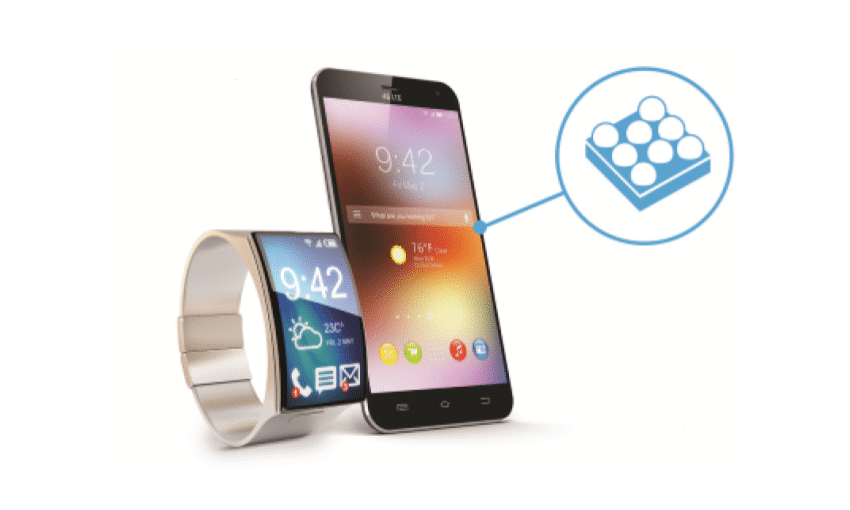
Imagine your smartwatch grabbing its own prepaid eSIM data plan, so you can leave your phone behind for a run while still streaming music or getting navigation prompts. That same prepaid eSIM in your fitness tracker could automatically sync your health stats to the cloud without needing your phone nearby. For IoT gadgets like a travel translator or a pet tracker, a prepaid eSIM lets you buy data right from a wristband’s tiny screen. This makes seamless wearable connectivity effortless—no fiddling with physical SIMs, just instant, independent internet for each device you carry.
More Transparent Pricing Models
Future pricing models will move beyond opaque data buckets toward granular cost breakdowns, where each element—connection fee, data rate, and validity period—is itemized per session. Travelers will see real-time cost accrual for their prepaid eSIM, with automatic alerts before a tier threshold triggers an extra charge. This shift eliminates surprise overages by letting users pre-approve spending caps and compare exact per-MB costs across providers within the same interface, making price comparison straightforward rather than guesswork.
Transparent prepaid eSIM pricing turns hidden fees into clear, per-use choices.